
"nasal cavity"
200 article(s) found

Coffee beans taste, taste
1) ahenaste The sensation of steam in brewed coffee, ranging from chocolate to charcoal, from spicy to turpentine. Aftertaste is the smell released by the remaining ingredients in the mouth after swallowing coffee. Aroma The sensation of inhaling the gases released by coffee, ranging from fruity to grassy to nutty. Coffee (Bouquet)

Why can't you taste the coffee? How to improve your sensory judgment of coffee taste
Professional coffee knowledge exchange more coffee bean information please follow the coffee workshop (Wechat official account cafe_style) Guide I believe that friends who have just come into contact with individual coffee have the same doubt: clearly drinking the same cup of coffee, the barista can tell that this cup of coffee has the sweet and sour smell of strawberries and the aroma of roses. But I didn't drink anything except sour and bitter! It's my tongue that's too

Six steps to evaluate coffee cups
There are six steps in coffee cup evaluation, describing the aroma, aroma, taste, smell, aftertaste and mellowness of coffee.

How to exercise the sensory ability? Smell and taste training Taiwan designs and makes 36-flavor coffee bottles
Professional coffee knowledge exchange more coffee bean information please follow the coffee workshop (Wechat official account cafe_style) what is the senses? Senses are an indispensable skill in human life. According to the skills played by different organs of our body, we can divide the senses into five parts: taste, smell, sight, hearing and touch. In the process of learning about coffee flavor

There are six steps in coffee cup evaluation.
There are six steps in coffee cup evaluation, describing the aroma, aroma, taste, smell, aftertaste and mellowness of coffee.

Two Common sense about Coffee and Human body Coffee and Health
After coffee enters the human body, the aroma of coffee is fragrant and refreshing, but do you know what chemical changes will take place in the human body after a cup of coffee? Recently, a foreign website details the journey of coffee into the human body, which is very interesting. Ten minutes after drinking the coffee: caffeine enters the bloodstream and the heartbeat and blood pressure begin to rise. Caffeine can alleviate the effect of alcohol on the body.

Six steps to identify coffee
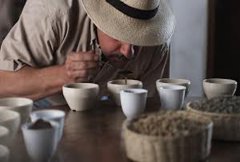
1. Fragrance: the first step in cup evaluation is to evaluate the aroma of coffee beans. Grind 10 grams of coffee, put it in 3-5 sample cups, and then breathe hard at the gas released by the freshly crushed coffee cells. The characteristics of the aroma indicate the essence of the taste of coffee beans: the sweet smell indicates that its taste is sour; the pungent smell indicates that its taste is irritating. The power of aroma
SCAA coffee cup testing process
1. Fragrance: the first step in cup evaluation is to evaluate the aroma of coffee beans. Grind 10 grams of coffee, put it in 3-5 sample cups, and then breathe hard at the gas released by the freshly crushed coffee cells. The characteristics of the aroma indicate the essence of the taste of coffee beans: the sweet smell indicates that its taste is sour; the pungent smell indicates that its taste is irritating. The power of aroma

Jasmine fragrant Yega Sheffield Wauka Coffee Flavor Flavor Flavor
The so-called jasmine, lemon or green citric acid aromas, as well as peach, almond and tea aromas. The author's tasting experience has only one sentence: coffee entrance, flowers in full bloom! Except for the comfort of the taste buds and olfactory cells in the nasal cavity touched by flowers. In addition to the fragrance of flowers, the delicate mellow thickness is like silk and feels wonderful to the touch. At present, many coffee chemists are beginning to
Six steps of coffee cup evaluation
The six steps of coffee cup evaluation describe the aroma, aroma, taste, smell, aftertaste and mellowness of coffee. 1. Fragrance: the first step in cup evaluation is to evaluate the aroma of coffee beans. Grind 8.25 grams of coffee, put it in 3-5 sample cups, and then breathe hard at the gas released by the freshly crushed coffee cells. The characteristics of the aroma indicate the taste of coffee beans.
Six steps to taste coffee
There are six steps in coffee cup evaluation, describing the aroma, aroma, taste, smell, aftertaste and mellowness of coffee. 1. Fragrance: the first step in cup evaluation is to evaluate the aroma of coffee beans. Grind 10 grams of coffee, put it in 3-5 sample cups, and then breathe hard at the gas released by the freshly crushed coffee cells. The characteristics of the aroma indicate the essence of the taste of coffee beans:
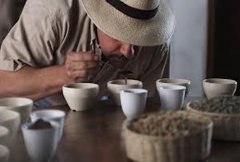
Coffee common sense SCAA coffee cup testing process
1. Fragrance: the first step in cup evaluation is to evaluate the aroma of coffee beans. Grind 10 grams of coffee, put it in 3-5 sample cups, and then breathe hard at the gas released by the freshly crushed coffee cells. The characteristics of the aroma indicate the essence of the taste of coffee beans: the sweet smell indicates that its taste is sour; the pungent smell indicates that its taste is irritating. The power of aroma

Six steps of coffee cup evaluation
There are six steps in coffee cup evaluation, describing the aroma, aroma, taste, smell, aftertaste and mellowness of coffee. 1. Fragrance: the first step in cup evaluation is to evaluate the aroma of coffee beans. Grind 10 grams of coffee, put it in 3-5 sample cups, and then breathe hard at the gas released by the freshly crushed coffee cells. The characteristics of the aroma indicate the essence of the taste of coffee beans:
Six Steps to Coffee Cup Evaluation
Coffee cup evaluation has six steps, describing coffee aroma, aroma, taste, smell, aftertaste and alcohol. Image: ab3a6c70gw1e5uo4ma2xzj20gj0a9gnf.jpg 1. Fragrance: The first step in cup evaluation is to evaluate the aroma of coffee beans. Grind 10 grams of coffee, place in 3 to 5 sample cups, and sniff vigorously the coffee released by the freshly ground coffee cells

Coffee tasting, coffee cup evaluation, six steps
There are six steps in coffee cup evaluation, describing the aroma, aroma, taste, smell, aftertaste and mellowness of coffee. 1. Fragrance: the first step in cup evaluation is to evaluate the aroma of coffee beans. Grind 10 grams of coffee, put it in 3-5 sample cups, and then breathe hard at the gas released by the freshly crushed coffee cells. The characteristics of the aroma indicate the essence of the taste of coffee beans:
SCAA Coffee Cup testing process introduction to Fine Coffee
1. Fragrance: the first step in cup evaluation is to evaluate the aroma of coffee beans. Grind 10 grams of coffee, put it in 3-5 sample cups, and then breathe hard at the gas released by the freshly crushed coffee cells. The characteristics of the aroma indicate the essence of the taste of coffee beans: the sweet smell indicates that its taste is sour; the pungent smell indicates that its taste is irritating. The power of aroma

The taste of hand-brewed coffee is sour, sweet, bitter, clean, dry and wet.
In the process of tasting coffee, we will first smell the fragrance, then taste the flavor and taste of the coffee, and finally feel the aftertaste of the coffee. Smell the aroma of coffee, taste the flavor of coffee we understand very well and feel very intuitively. But what exactly is Yu Yun? Yu Yun is called "aftertas" in English
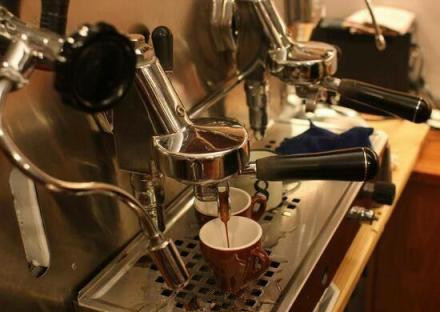
Six steps of coffee tasting General knowledge of fine coffee
Coffee tasting has six steps to describe the aroma, aroma, taste, smell, aftertaste and mellowness of coffee. 1. Fragrance: the first step in tasting is to evaluate the aroma of coffee beans. Grind 8.25 grams of coffee, put it in 3-5 sample cups, and then breathe hard at the gas released by the freshly crushed coffee cells. The characteristics of the aroma indicate the taste of coffee beans.

Coffee professional cup testing, learning and tasting high-quality coffee
1. Fragrance: the first step in cup evaluation is to evaluate the aroma of coffee beans. Grind 10 grams of coffee, put it in 3-5 sample cups, and then breathe hard at the gas released by the freshly crushed coffee cells. The characteristics of the aroma indicate the essence of the taste of coffee beans: the sweet smell indicates that its taste is sour; the pungent smell indicates that its taste is irritating. The power of aroma

How is coffee alcohol formed?-what does it mean?
How is coffee alcohol formed? what does alcohol mean? both substances can be extracted by hot water but remain on filter paper. This explains why Nordic boiled coffee, Turkish coffee and French coffee alcohol atlas contain relatively high levels of caffeine l and caffeinol (6-12 mg / cup), while filtered coffee and instant coffee contain a small amount of coffee.